Put your plot on the map
Become a member and add an approximate pin that protects your privacy.
Put your plot on the Great British Pollinator Highway. Give nature a little more space, and make your part of Britain part of something much bigger.
You do not need acres. You do not need to be an expert. Even 1m² can matter.
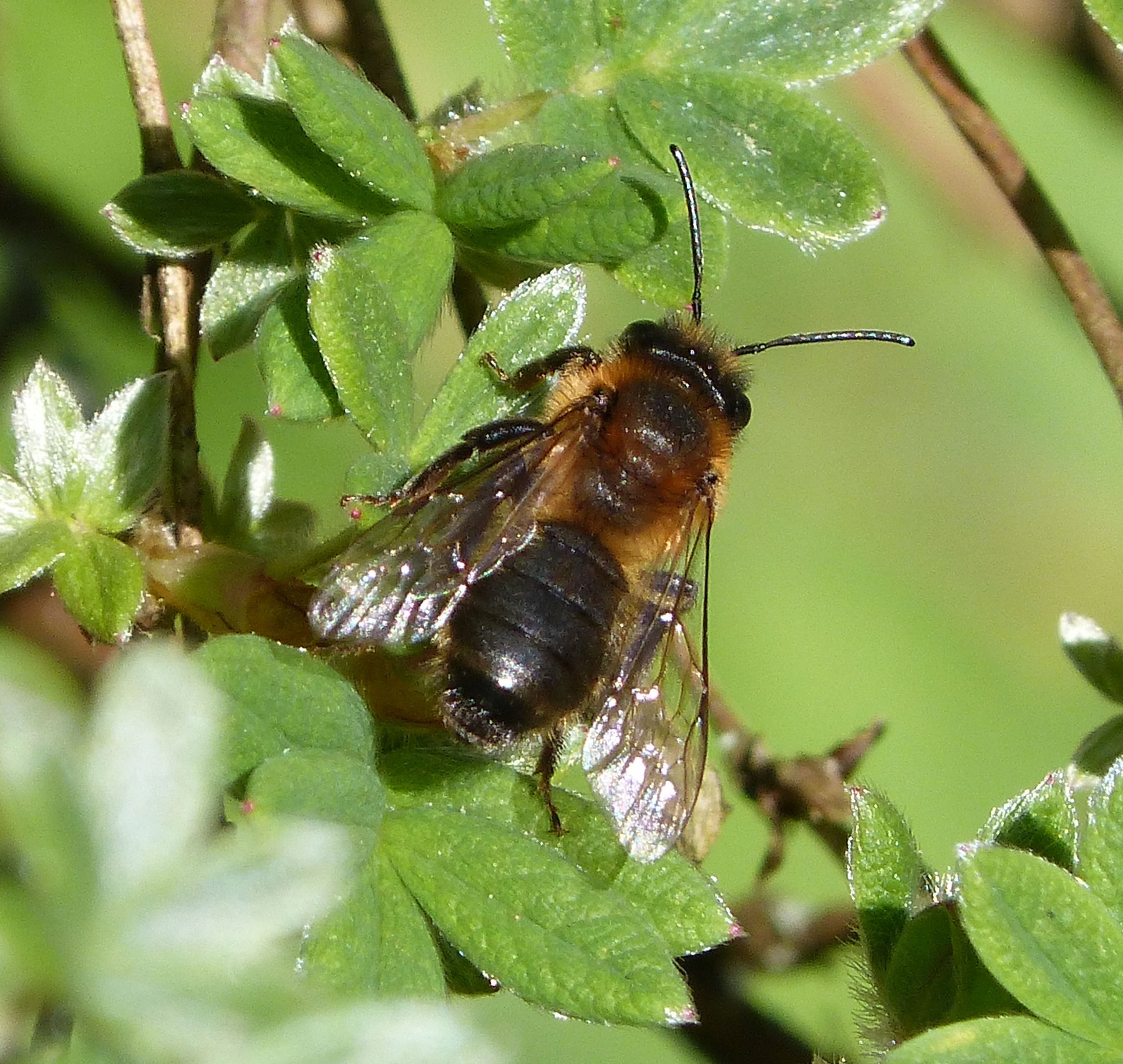
Mining bee
Andrena scotica (syn. A. carantonica) · Cradley, Malvern, England
Bumblebees, Hoverflies, Ladybirds, Peacock butterflies, Burnet moths, Damselflies, Mason bees, Beetles, Wildflowers
Imagine what we could create together
A garden in York. A balcony in Manchester. An allotment in Birmingham. A school garden in Bristol. A community meadow in Glasgow. A business planting for wildlife in Leeds. Individually, every one matters. Together, they become the Great British Pollinator Highway.
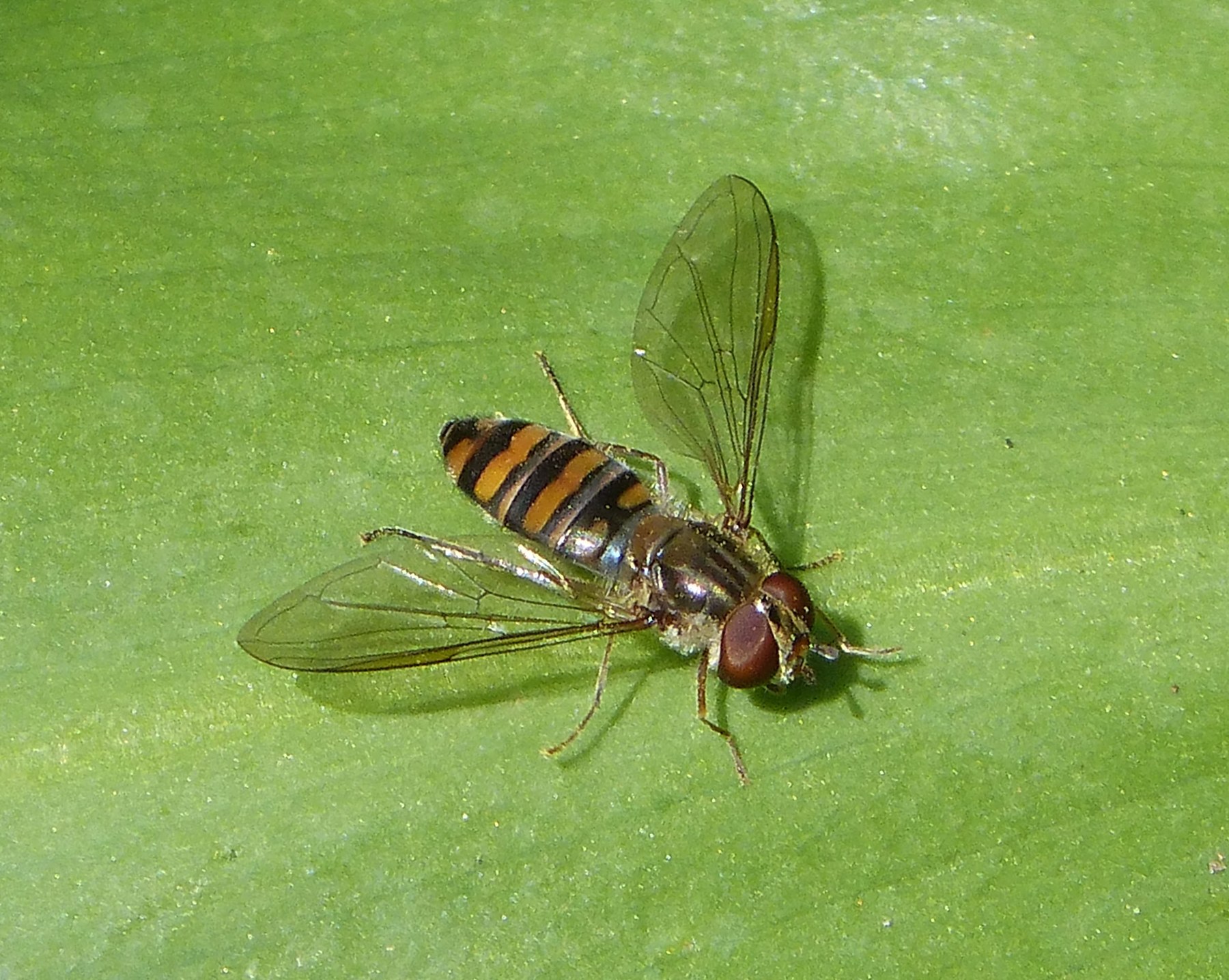
Marmalade hoverfly
Episyrphus balteatus · Cradley, Malvern, England
There is a place for you
You do not have to create a wildflower meadow or transform your whole garden. Whatever its size, your plot can have a place on the Highway.
See how it worksThree simple steps
Become a member and add an approximate pin that protects your privacy.
Slow down, look closer and use GBPH to help identify what you find.
Try one achievable idea, record what happens and watch it change through the seasons.
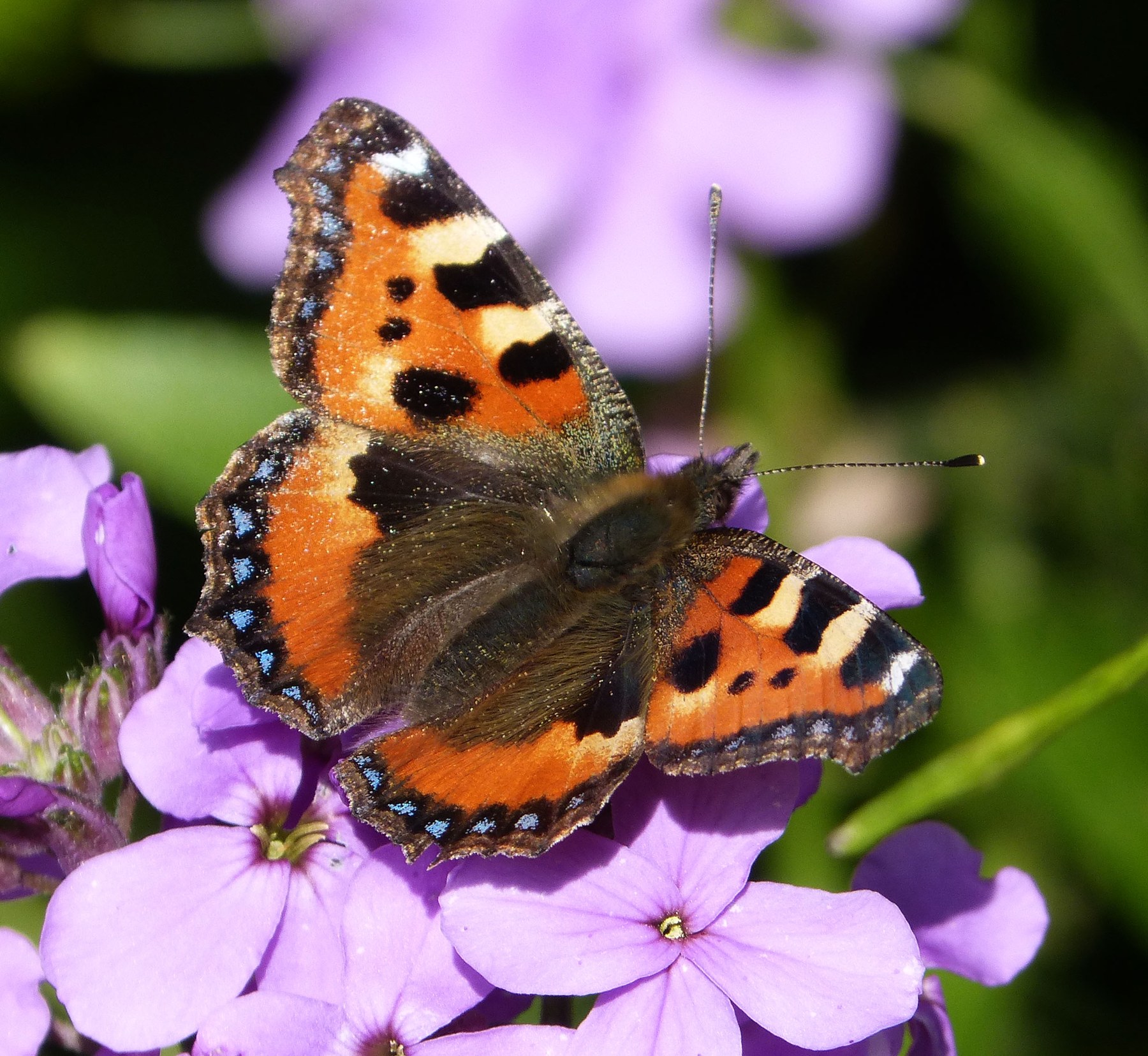
Small tortoiseshell
Aglais urticae · Cradley, Malvern, England
One small space. One bigger purpose.
A bee disappearing inside a flower. The first butterfly of spring. A plant appearing where you did not expect one. GBPH gives you a reason to look more closely and build a record that grows with you.
Good for pollinators. Good for us too.
Step outside. Spend ten minutes looking. Plant something together. Watch the seasons change. Sit beside the flowers and simply see what arrives.
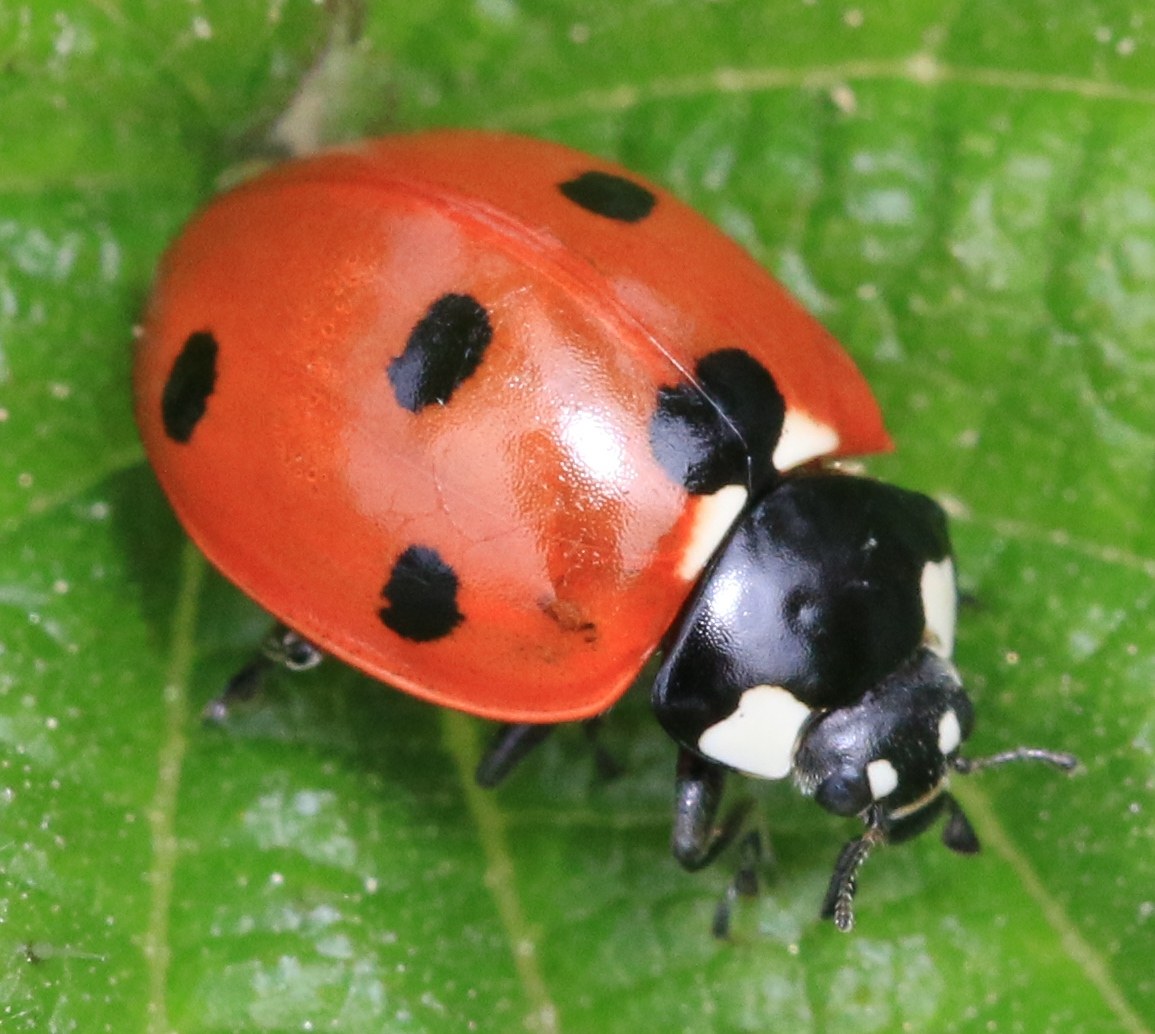
Seven-spot ladybird
Coccinella septempunctata · Crichton Glen, Scotland
What will you discover?
GBPH helps you explore possible identifications and build a personal record of the wildlife using your plot.
Bees, butterflies, moths, hoverflies, beetles, wildflowers, birds and other wildlife, all noticed from your own patch.
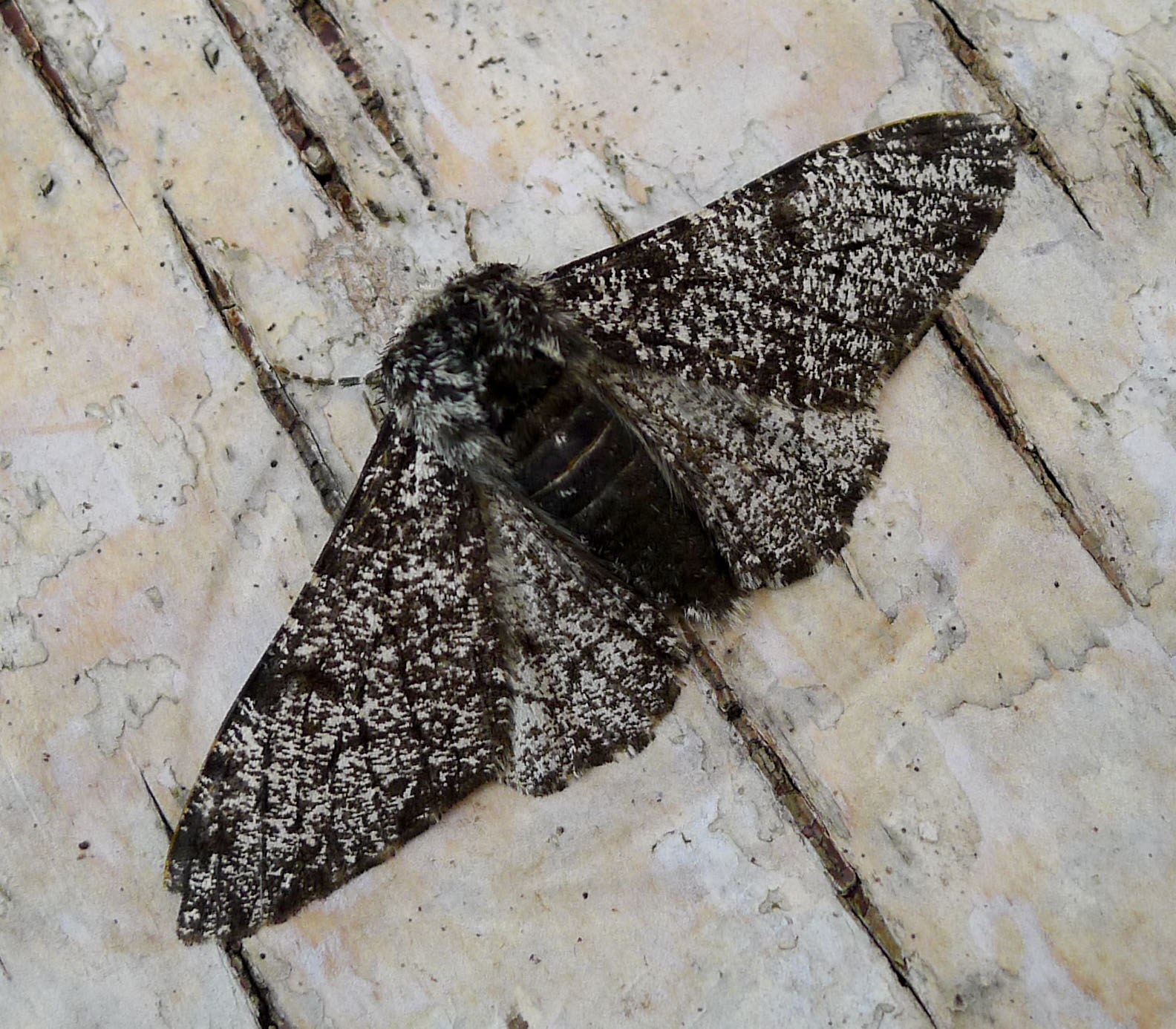
Peppered moth
Biston betularia · Cradley, Malvern, England
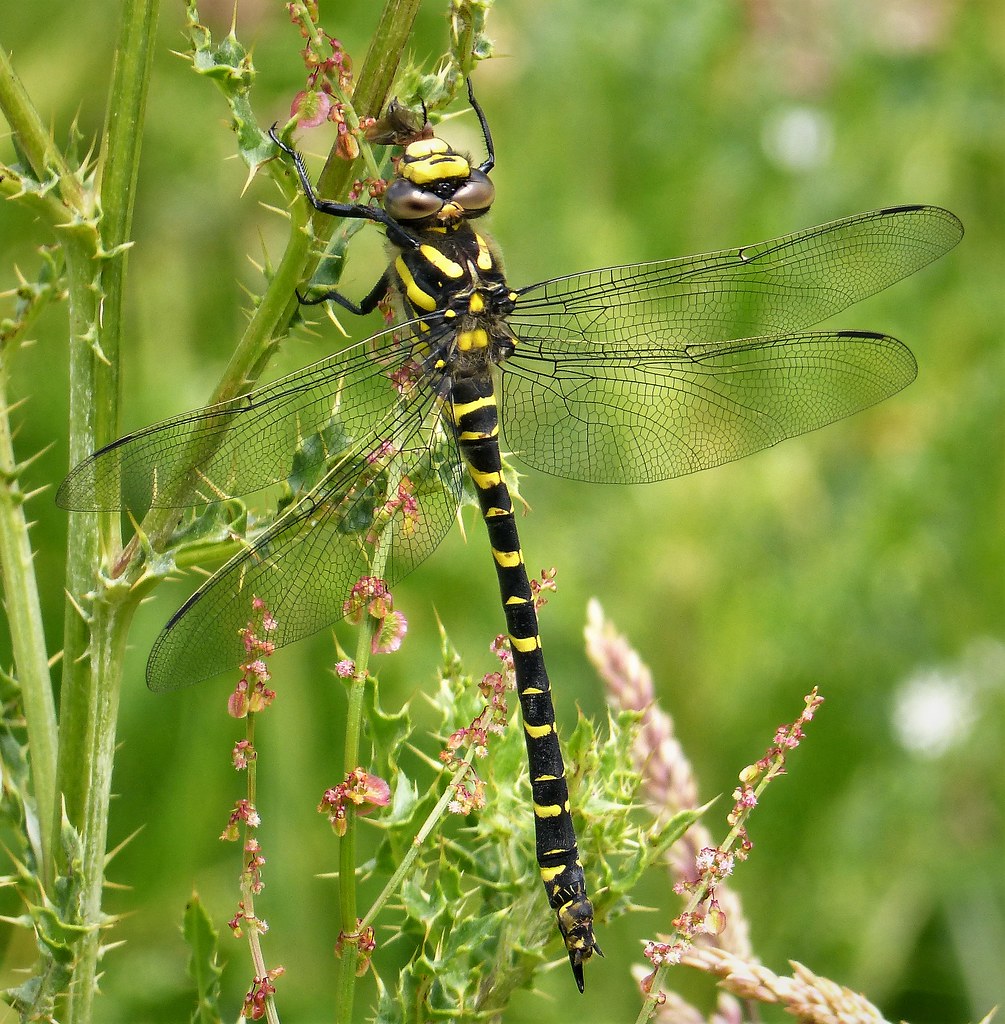
Golden-ringed dragonfly
Cordulegaster boltonii · Grwyne Fawr Reservoir, Wales
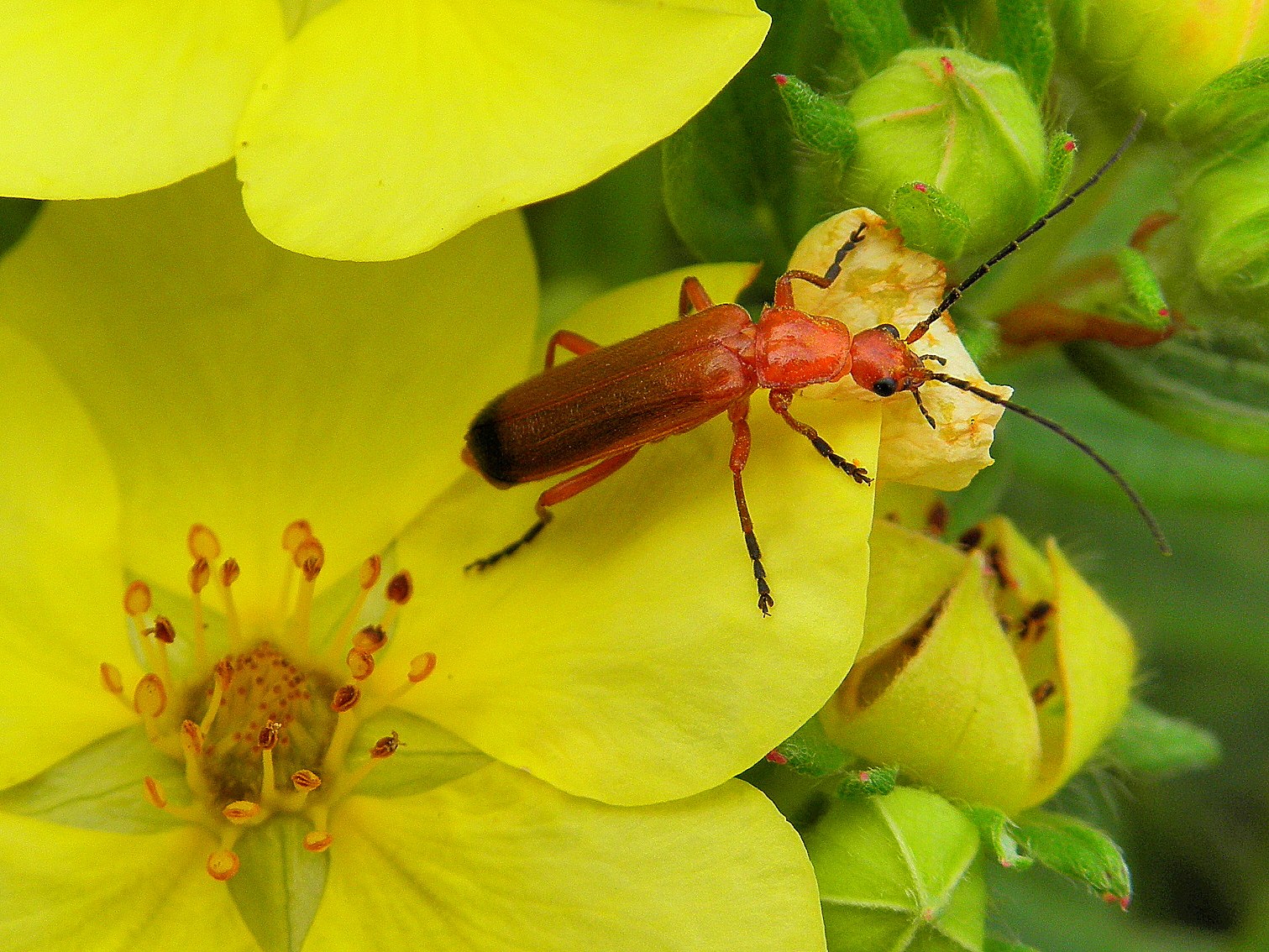
Common red soldier beetle
Rhagonycha fulva · Fermanagh and Omagh, Northern Ireland
This is your part of the Highway
Watch the Highway grow
Every pin represents someone who has chosen to give nature a little more space and start recording what they find.
A pin is a member submission. It does not by itself prove habitat connection, condition or ecological improvement.
Explore the national mapNot just a map
GBPH is building a growing network of people observing, recording and improving spaces for wildlife across Britain. The map shows where members are taking part and what they submit. It does not claim that every location forms a physically connected ecological corridor, or that adding a pin alone proves ecological improvement.
A year in nature
Watch life return.
See your plot at its busiest.
Leave food and shelter behind.
Look for what remains.