About
Habitat doesn't stop at a boundary fence.
Britain's remaining wild habitat is fragmented into thousands of disconnected pockets: road verges, rail cuttings, green roofs, field margins, solar farms, brownfield sites and gardens. Individually they're too small to matter. Joined up, they are a national corridor.
The Great British Pollinator Highway exists to connect and measure that corridor. Members register the land they manage, log every species they find, and the platform assembles those records into a single live picture of UK biodiversity.
Spending time watching and recording wildlife is also a gentle way to slow down, notice the seasons and reconnect with the world outside the front door.
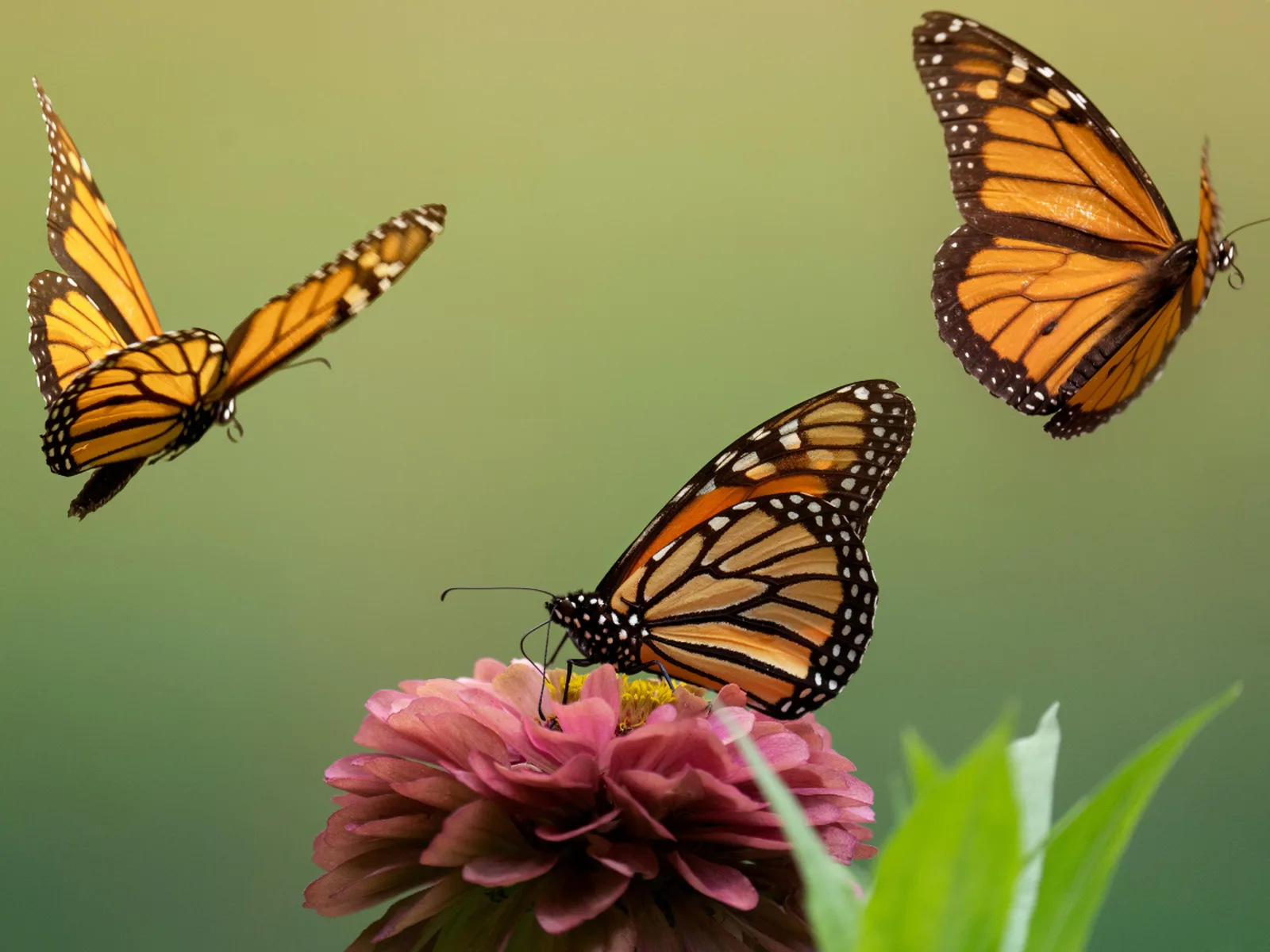
Open to all land.
Councils, estates, farms, infrastructure operators, community groups and individuals.
All biodiversity, pollinators first
Records cover every taxon. Bees, butterflies, moths and hoverflies are tracked as headline indicators of corridor health.
Comparable by design
Shared recording standards mean a rooftop can be compared honestly with a chalk cutting.
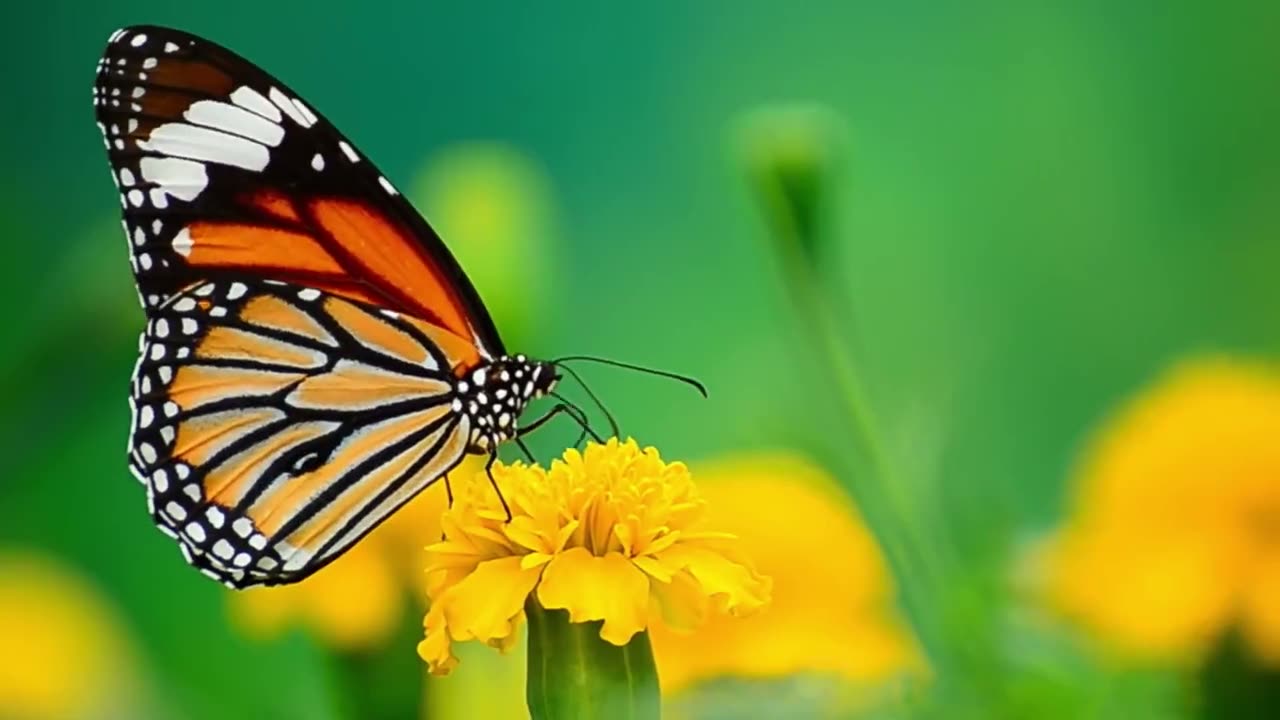
Membership is open
Create an account, register the land you manage and start logging records. Everything you add appears on the national map straight away.